🌿 Self-Care as a Lifestyle
Self-care is often misunderstood as something superficial or indulgent, associated only with beauty routines or luxury treatments. In reality, it goes much deeper. Self-care is about maintaining your physical, emotional, and mental well-being through consistent, intentional actions. It is a lifestyle, not a one-time activity.
In today’s fast-paced world, people are constantly overwhelmed by responsibilities, expectations, and digital noise. This makes self-care more important than ever. Taking time to care for yourself is not selfish—it is necessary for functioning effectively in daily life.
When practiced regularly, self-care can:
- reduce stress and anxiety
- improve sleep quality
- increase energy levels
- boost self-confidence
- support long-term health
It is not about perfection or expensive products. It is about consistency and awareness of your own needs.
🧴 Body Care Basics
Taking care of your body is one of the most fundamental aspects of self-care. Your skin, being the largest organ, plays a crucial role in protecting your body and reflecting your overall health.
Cleansing
Cleansing is the foundation of any body care routine. Throughout the day, your skin accumulates sweat, dirt, and environmental pollutants. Proper cleansing helps remove these impurities and prevents irritation or breakouts.
It is important to choose gentle products that do not strip the skin of its natural oils. Harsh soaps can disrupt the skin barrier, leading to dryness and sensitivity. Lukewarm water is recommended, as very hot water can damage the skin and cause dehydration.
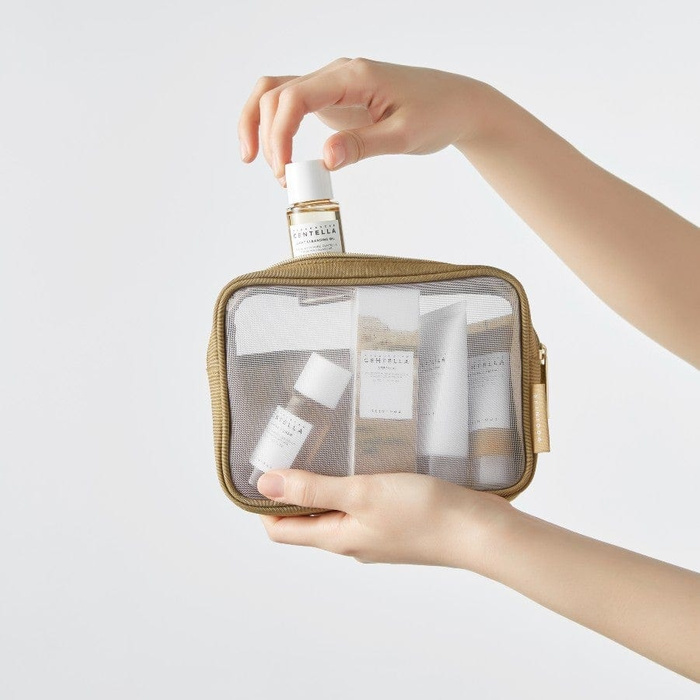
Hydration is essential for maintaining healthy, smooth skin. Moisturizing helps restore the skin barrier, lock in water, and protect against external factors.
There are many options available, including lotions, creams, body butters, and natural oils. The choice depends on your skin type and personal preference. Regular use of moisturizers improves elasticity and gives the skin a healthier appearance.
Internal hydration also matters. Drinking enough water supports skin function and overall health, even if it’s not as glamorous as applying a fancy cream.
Exfoliation
Exfoliation removes dead skin cells, allowing new ones to surface. This process improves skin texture, enhances absorption of skincare products, and promotes regeneration.
There are two main types of exfoliation:
- physical (scrubs with small particles)
- chemical (products with acids or enzymes)
Exfoliating once or twice a week is usually enough. Overdoing it can lead to irritation, sensitivity, and damage to the skin barrier.
💆♀️ Facial Skincare

Facial skin requires special attention because it is more delicate and constantly exposed to environmental factors such as pollution and UV radiation.
Basic Routine
A simple but effective skincare routine includes:
- Cleansing – removing makeup, dirt, and oil
- Toning – restoring pH balance and preparing the skin
- Moisturizing – keeping the skin hydrated
- Protection – using sunscreen to prevent damage
Sunscreen is particularly important, even on cloudy days. UV exposure is one of the main causes of premature aging and skin damage.
Advanced Care
For those who want to go further, additional steps can enhance results:
- Serums: concentrated formulas targeting specific concerns like dryness, acne, or aging
- Face masks: used occasionally to deeply hydrate or cleanse
- Facial massage: improves circulation and can help relax facial muscles
Consistency matters more than complexity. A simple routine done regularly is more effective than an elaborate one followed occasionally.
🧠 Relaxation as a Daily Need
Relaxation is often seen as optional, something you do only when you have free time. In reality, it is a critical part of maintaining mental and physical health.
Chronic stress affects the entire body. It can lead to fatigue, weakened immunity, poor concentration, and even long-term health issues. Incorporating relaxation into your daily routine helps counteract these effects.
Relaxation allows your body to recover and your mind to reset. It improves clarity, creativity, and emotional balance. Without it, even the most productive lifestyle eventually leads to burnout.
🕯️ Practical Ways to Relax
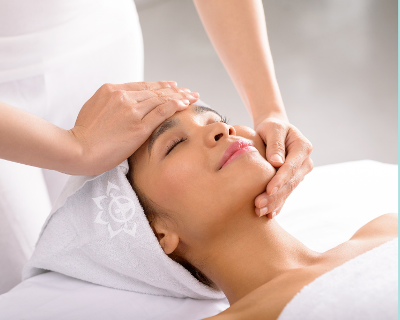

does not have to be complicated or expensive. Small, simple actions can make a significant difference.
At-Home Relaxation
Creating a calm environment at home can help you unwind after a long day. This might include:
- taking a warm bath with salts or essential oils
- lighting scented candles
- listening to calming music
- reducing exposure to screens and notifications
Even a short period of quiet time can help your body shift into a more relaxed state.
Breathing Techniques
Breathing is a powerful but often overlooked tool. Controlled breathing can quickly reduce stress and promote relaxation.
Deep breathing exercises involve slow, intentional inhales and exhales. Focusing on your breath helps calm the nervous system and brings attention back to the present moment.
Practicing this regularly can improve emotional control and reduce anxiety.
Meditation
Meditation is not about clearing your mind completely, which is nearly impossible. It is about observing your thoughts without reacting to them.
Even a few minutes a day can:
- improve focus
- reduce stress
- enhance emotional awareness
There are many forms of meditation, from guided sessions to silent reflection. The key is finding a method that feels comfortable and sustainable.
🌸 Self-Care Rituals
Self-care rituals are intentional habits that create structure and stability in daily life. They provide moments of calm and help build a stronger connection with yourself.
These rituals do not need to be elaborate. In fact, simple routines are often the most effective.
Examples include:
- a consistent evening skincare routine
- reading a book instead of scrolling on your phone
- taking a walk without distractions
- writing in a journal
What matters is consistency and presence. Turning these small actions into rituals makes them more meaningful and beneficial.
💤 The Importance of Sleep

Sleep is one of the most essential aspects of self-care, yet it is often neglected. Many people sacrifice sleep for work, entertainment, or social media, not realizing the long-term consequences.
During sleep, the body repairs itself, the brain processes information, and energy is restored. Without sufficient sleep, both physical and mental performance decline.
Lack of sleep can lead to:
- decreased concentration
- mood swings
- weakened immune system
- dull and tired-looking skin
Most adults need between 7 and 9 hours of sleep per night. Maintaining a regular sleep schedule and creating a relaxing bedtime routine can significantly improve sleep quality.
🧘♀️ Balance Between Body and Mind

True well-being comes from balance. Taking care of your body without addressing your mental health—or vice versa—creates an imbalance that eventually shows.
Physical activity is an important part of this balance. It does not have to be intense or time-consuming. Even light exercise, such as walking or stretching, can improve mood and energy levels.
Nutrition also plays a role. A balanced diet provides the nutrients your body needs to function properly and supports overall health.
Equally important is managing stress and allowing yourself time to rest. Constant productivity without breaks leads to exhaustion and decreased effectiveness.
✨ Conclusion
Self-care and relaxation are not temporary trends or luxuries reserved for special occasions. They are essential components of a healthy, balanced life.
Taking care of your body and mind improves not only your appearance but also your mood, energy, and overall quality of life. It allows you to function better, think more clearly, and handle challenges more effectively.
The goal is not perfection. It is consistency.
Small, regular actions have a greater impact than occasional, intense efforts. By incorporating simple self-care practices into your daily routine, you create a foundation for long-term well-being.
And despite how simple it all sounds, most people still ignore it until they’re exhausted and wondering what went wrong. So your site might actually help someone get their life together a little. Not bad for a bunch of words on a screen.